
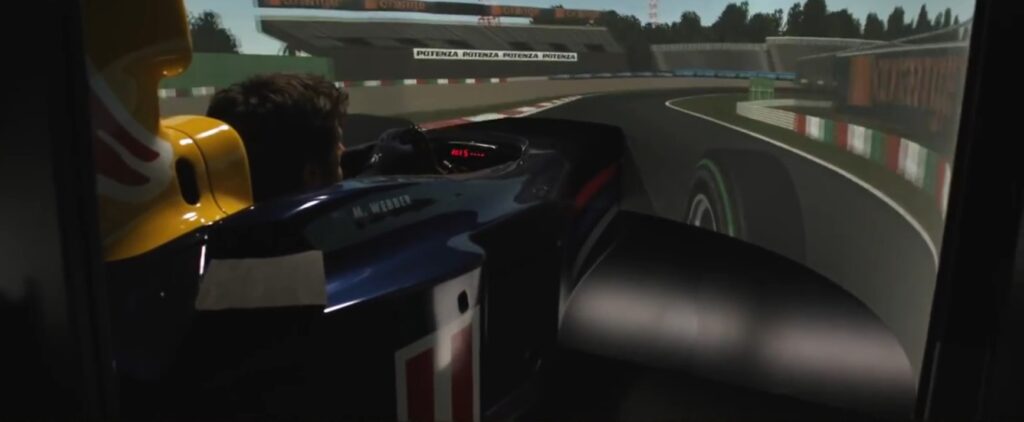
If you are wondering if rFactor 1 is still worth it in 2026, the answer isn’t as simple as looking at a calendar. In the rapidly evolving world of sim racing, where 4K textures and complex physics engines dominate the market, mentioning a title from 2005 might seem like nostalgia bait. However, rFactor 1 isn’t just a relic of the past; it’s a piece of motorsport history that still offers something unique to those who know where to look.
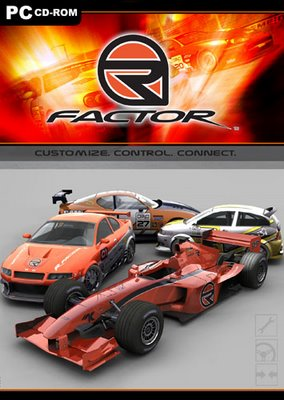
The Professional Legacy: Personal Use in Motorsport
It’s easy to forget that for nearly a decade, the core engine behind rFactor 1 the famous “g-motor” was the foundation for professional-grade simulators used by Formula 1 teams and top-tier racing academies. Even in 2026, this architecture is respected for how it handles tire slip angles and chassis flex without the “bloat” of modern software.
When you drive rFactor, you aren’t just playing a game; you are interacting with a simplified version of the tools professional drivers used to train with for years. This professional DNA is the reason why the physics still feel “right” and predictable, even when the graphics clearly show their age.
Why rFactor 1 Is Still Worth Considering in 2026
The reason this sim is still on many hard drives isn’t just sentimentality; it’s the unmatched flexibility and low latency. While modern sims are often locked, resource-heavy ecosystems, rFactor 1 is an open playground.
In 2026, it serves as the perfect “low-overhead” environment. Because it doesn’t tax your hardware with heavy lighting effects or complex background processes, the connection between your inputs and the car’s reaction is almost instantaneous. For a purist, that lack of “input lag” and the raw clarity of the force feedback are often worth more than high-definition textures.
Advanced Modding and Community Support
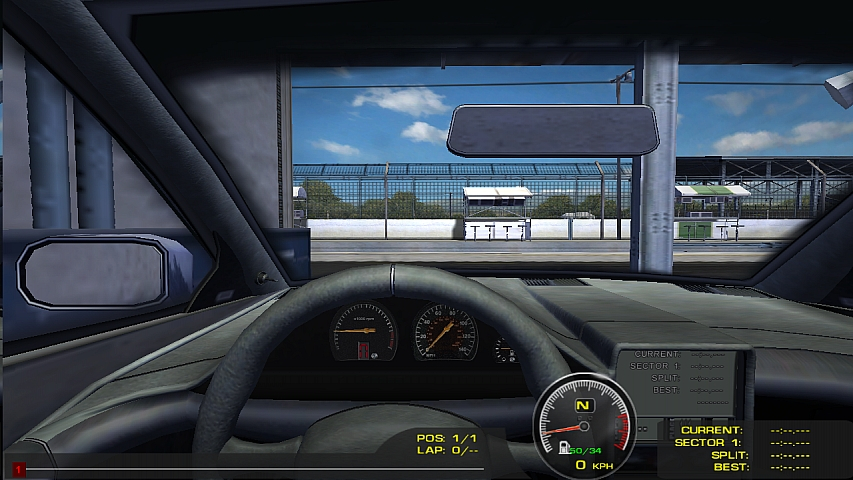
Beyond the base game, what makes rFactor 1 worth it even today is the sheer volume of content. From the legendary Historic GT & Touring cars mod to specific F1 season recreations that are more accurate than modern official games, the community has kept the engine alive. The ability to modify every single AI parameter and physics coefficient means you can tailor the experience to your specific needs, something that is increasingly restricted in modern “Sim-as-a-service” titles.
Who Should Still Use rFactor 1?
It is still worth your time if you:
- Enjoy the “Tinkering”: You love diving into files and tweaking physics.
- Need a Lightweight Sim: You want a professional experience that runs on older PCs.
- Prioritize Feel over Visuals: You care about rotation under braking more than graphics.
- Prefer Offline Racing: You enjoy curated AI championships.
It is NOT for you if you:
- Demand 2026-standard graphical fidelity.
- Are looking for a built-in competitive online ranking system.
- Expect a “Plug-and-Play” experience without managing mods.
Conclusion: Outdated, but far from Dead
rFactor 1 is undeniably outdated, but for a certain breed of sim racer, the experience proves that rFactor 1 is still worth it for pure training. However, there is a catch: running such a “pure” simulator on entry-level hardware is like listening to a vinyl record through cheap earbuds you lose the detail that makes it special.
To truly feel the professional DNA of this sim, you need hardware that can translate that raw signal without mechanical noise. If you want to understand how a modern setup can breathe new life into classic sims, this is where the journey starts:
If you want to understand how a modern setup can breathe new life into classic sims, this is where the journey starts: 👉 Best Direct Drive Wheels Under $1000