
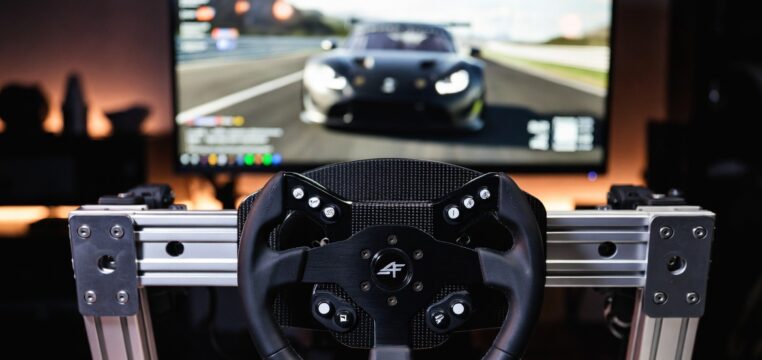
I’ve been in sim racing long enough to remember when a Logitech G25 was considered serious, high-end hardware. Since those days, the tech has changed completely, but one thing remains exactly the same: most people shopping for their first real upgrade end up trying to buy the wrong wheel first.
They don’t make this mistake because they aren’t smart enough. They make it because the sim racing market is practically engineered to manipulate them. We are constantly flooded with specs about raw torque, endless hype cycles, and “pro-level” buzzwords. Add to that the YouTube videos showing setups that cost more than a decent used car, and it’s easy to get overwhelmed. If you don’t know exactly what you need, the marketing noise wins every single time.
Why Buying for Hype Leads to the Wrong Wheel First
This is a classic pattern that plays out daily across Reddit and every major sim racing forum. Someone decides it’s time to upgrade. They spend weeks watching reviews, reading threads, and getting hyped up. They finally drop the cash, set everything up, and within six weeks, they’re back on the forums asking, “Is this normal?” because their lap times haven’t improved by a single tenth.
The hardware is usually fine. The wheel was never the issue. The real problem is that they bought for the imaginary driver they want to be, rather than looking honestly at the driver they are right now.
It’s a completely natural trap to fall into, but chasing that fantasy will cost you real money. People end up with too much torque for their skill level, an overcomplicated software tuning menu they don’t understand, or an expensive ecosystem that drains their budget for future upgrades. The wheel delivers exactly what it promised on the box; the driver just isn’t ready to decode the data it’s sending. The budget has long-term wrong expectations from day one. The wheel delivers. They’re just not ready to use what it’s giving them.
A Wheel Doesn’t Make You Faster. It Makes Things Clearer.
This is the core truth that most commercial hardware reviews gloss over: a wheelbase does not create pace. It simply reveals information.
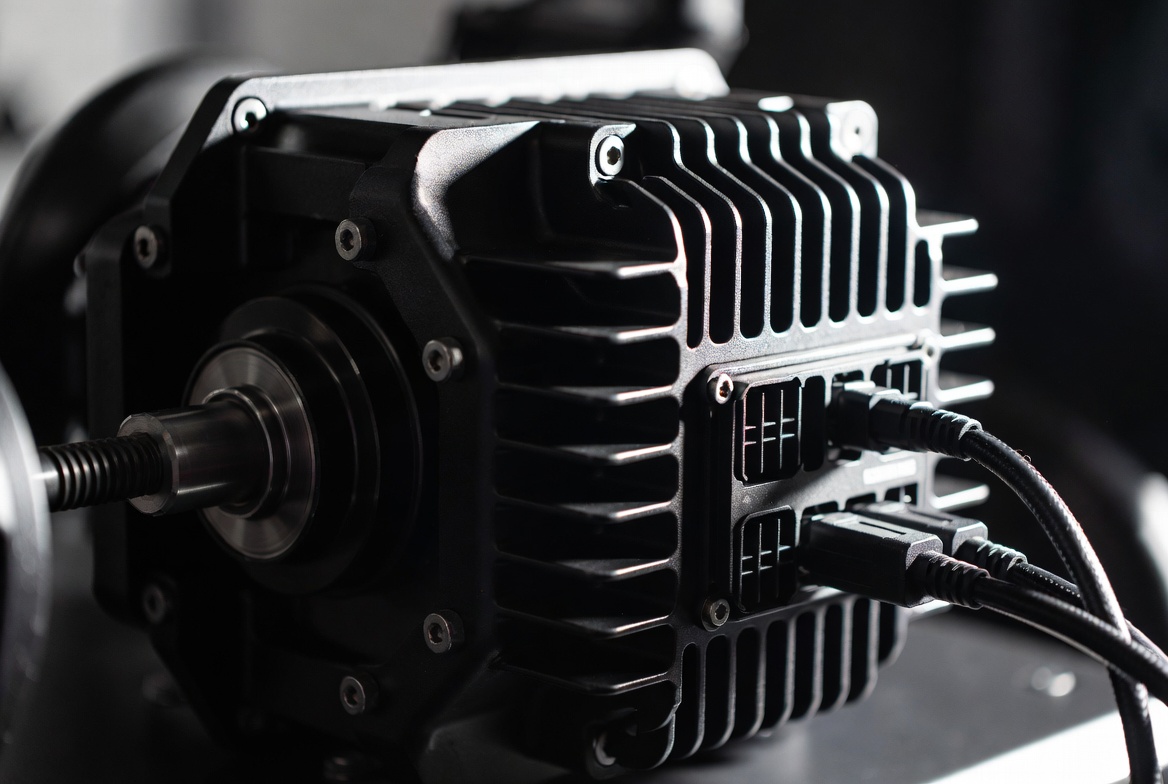
A solid direct drive wheel lets you feel the front tires loading up under braking a split second earlier. It helps you catch a slide before the rear end completely steps out. Weight transfer stops being a theoretical concept you read about and becomes a physical sensation in your hands. That clarity is genuinely useful, and that’s exactly what you are paying for.
But here is the catch: if your inputs are already rushed, aggressive, or inconsistent, more force feedback will only show you your mistakes more violently. It won’t correct them for you. Beginners who upgrade, expecting an instant transformation, end up disappointed because they expected speed, but what they actually got was just a clearer picture of their own flaws. Clarity is an incredible tool, but it’s only valuable if you know how to adapt your driving to it.
The Torque Trap (And Why It Hurts Your Wallet)
If there is one metric that ruins first-time buyers, it’s the obsession with Newton-meters (Nm). The community talk makes it sound like an unwritten rule: 5 Nm is a toy, 8 Nm is entry-level, 12 Nm is decent, and anything above 15 Nm is what “real” drivers use.
This logic is pure marketing. Higher torque gives you more resistance under heavy cornering loads and a wider dynamic range, meaning the wheel won’t “clip” (saturate its signal) when the physics engine throws heavy forces at it. In the right context, mounted to an aluminum profile rig, driven with a consistent technique, headroom is valuable.
But for your first direct-drive wheel? What you actually need is simply enough.
You need enough detail to understand the track surface, enough resistance to build proper muscle memory, and a setup light enough that your shoulders aren’t completely wrecked after a 45-minute stint. Chasing massive Nm numbers on your first upgrade is like buying a 700-horsepower GT3 car to learn how to race-line properly. The power is real, but it makes the learning curve twice as steep and punishing.
The Four Mistakes That Burn Most Buyers
Buying Torque Before Control: Heavy force feedback won’t fix sloppy inputs; it will just make them louder, heavier, and harder to manage. Work on your consistency first, then buy the hardware that matches your pace.
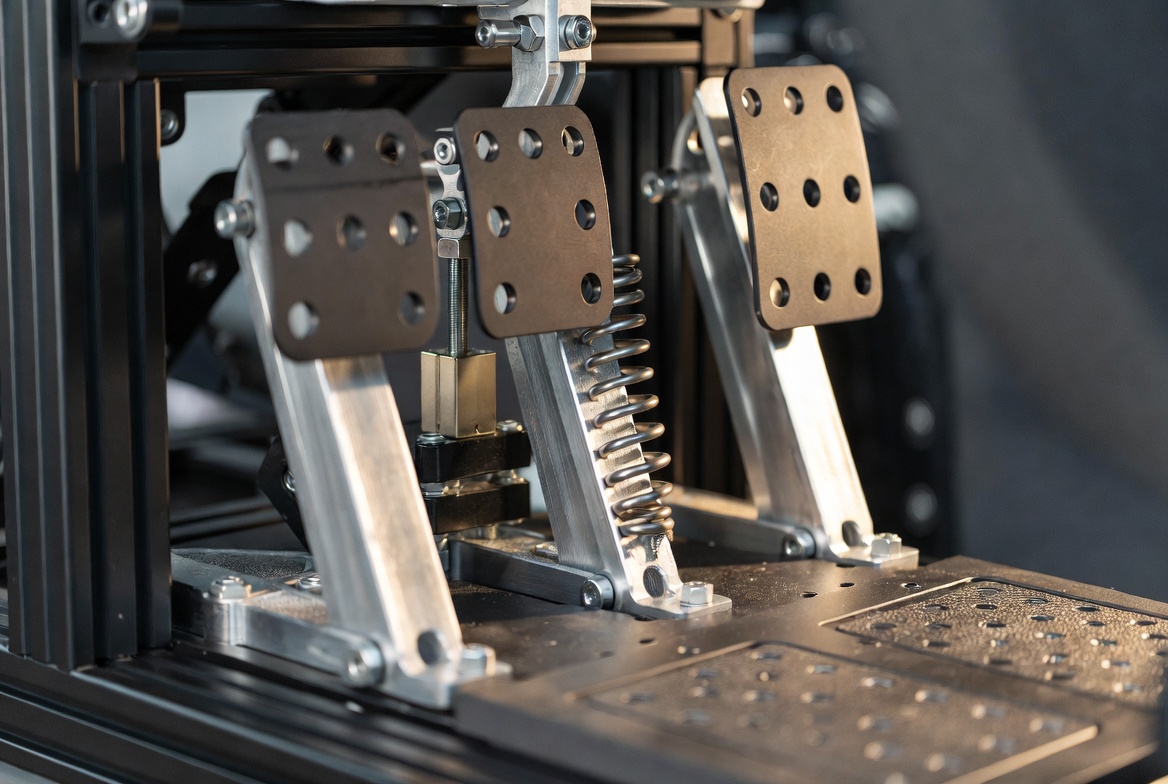
The “Super-Base, Cheap Pedals” Blunder: Mounting a powerful direct-drive unit to a flexing desk while using entry-level, plastic pedals is a miserable experience. Sim racing gear functions as an entire system. If you are still using cheap potentiometers instead of a solid Load Cell pedal set, your braking will always be inconsistent, no matter how expensive your steering wheel is.
Ignoring Ecosystem Lock-in: A wheelbase isn’t an isolated purchase. It’s a long-term commitment to a brand’s platform. You need to look at rim compatibility, quick-release quality, proprietary software, and future upgrade paths. If you buy blindly, you’ll likely end up replacing the entire setup down the road.
Buying for Identity, Not Utility: This is the ultimate ego trap. People buy specific hardware because they want to look and feel like a “hardcore” sim racer on social media. Your equipment should support your physical inputs on track, not your self-image.
What You Should Actually Ask Before Buying
Instead of looking at what the fastest alien in an eSports division uses, or scrolling through spec sheets looking for peak torque, ask yourself these practical questions:
- Am I still fighting basic car control, or can I hit my marks lap after lap?
- Is my rig or desk stable enough to handle sudden high-frequency feedback, or will the whole room shake?
- Am I upgrading from a gear/belt system like a Logitech or Thrustmaster, or am I building a rig from scratch?
- Do I want a simple, plug-and-play experience, or do I enjoy spending hours tweaking telemetry profiles and software settings?
Answer these honestly, and the right choice becomes incredibly clear very quickly.t actually makes you a better, more consistent driver every time you turn it on.
The Bottom Line
The best first wheel isn’t the strongest one on the market, nor is it the one that gets the most upvotes on r/simracing this week. The right wheel is the one that matches your current physical setup, your budget, and your actual goals.
Don’t buy more tech than you can realistically use. If you want to cut through the marketing nonsense and see how the current options stack up, these deep dives will save you a lot of wasted budget:
- Read more: Direct Drive vs Belt Drive: What Actually Matters for Beginners
- Read more: Best Direct Drive Wheels for Beginners
- Read more: Best Direct Drive Wheels Under $1000
The market will always try to sell you the most expensive box. Your only job is to buy the tool that actually makes you want to turn laps.